Bombs Won’t Win Against Iran. Bank Accounts Will.
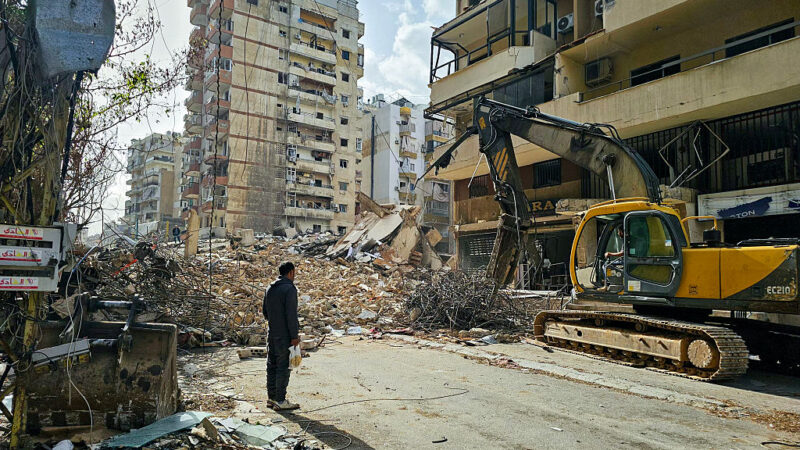
Missiles make for better television, but that is not where this war will be decided.
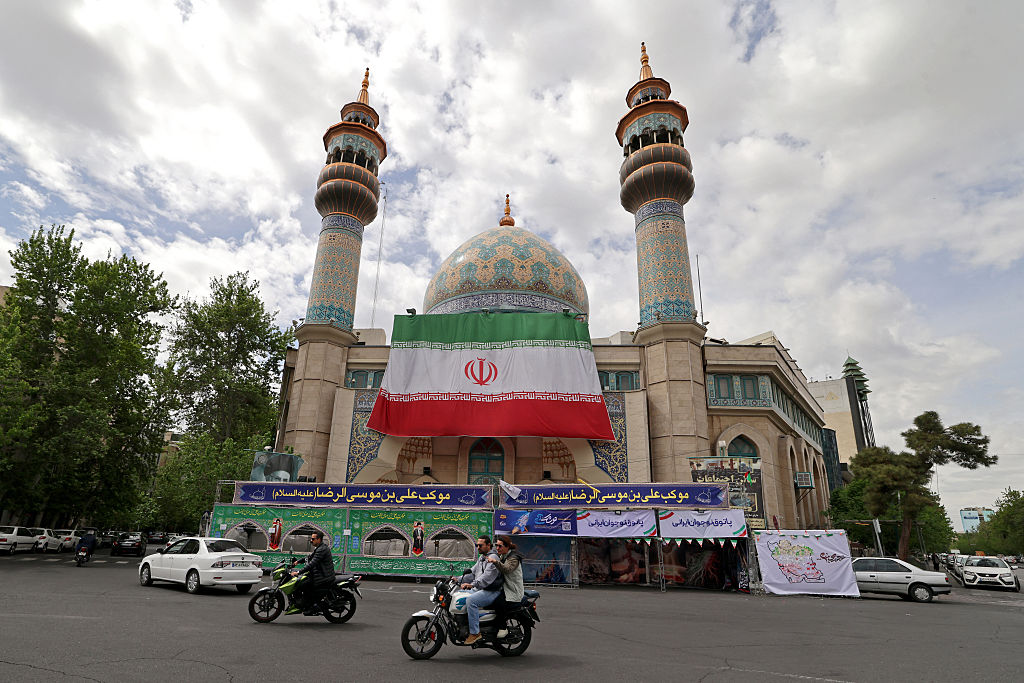
Iran’s mullahs have weathered airstrikes, endured missile barrages, and accepted casualties without flinching. What rattles them most is a phone call from the Treasury Department.
Last week, President Trump announced an economic D-Day against Iran. Crushing new economic measures will add to the already successful Operation Economic Fury to further drive Iran to the brink of economic collapse.
Tehran is now focused entirely on relief for its beleaguered economy. UN Ambassador Mike Waltz said that when Iranian negotiators sit across the table from American negotiators, they don’t ask about bombers or carrier groups, they ask about money. “When they’re coming to the table with our negotiators, they are talking about cash, cash, cash,” he said. “Because they’ll absorb the bombings.” It is Treasury Secretary Scott Bessent, Waltz believes, not Defense Secretary Pete Hegseth, who has become the man in Washington the regime fears most.
Military instruments are limited in achieving national objectives; there is only so much an air and naval campaign can do. And the diplomatic front continues to be fruitless. The Iranians are skilled dissemblers who see even the desire to talk as evidence of American weakness.
Yet the economic and financial fronts against Iran, though they make fewer headlines, will be decisive in this conflict.
The blockade is a primary element. While Tehran claims to control the Strait of Hormuz, in fact it is the US Navy that decides which ships can come and go through that strategic waterway. Iran can neither export oil and natural gas to sustain its economy, nor import goods it needs for civil and military purposes. The blockade and the sanctions regime have driven Iran’s economy to the brink; inflation is in triple digits and people are living on a survival basis.
Naturally, the top Iranian leaders care little for the suffering of their people. They were willing to gun down tens of thousands of protesters in the streets. So since general economic warfare is insufficient to motivate the mullahs, Secretary Bessent and his team are also hitting the leadership where it hurts, in their private accounts.
For example, in April the US Office of Foreign Assets Control (OFAC) froze $344.2 million in crypto wallets linked to the Central Bank of Iran. In July, OFAC followed up by seizing over $130 million in crypto accounts linked to the IRGC. This hunt for hidden Iranian assets is ongoing, and Secretary Bessent has stated that over a billion dollars has been seized in total.
Bessent also said his department tracked down the Supreme Leader’s “money man”, which allowed them to map and seize a global network of $100 million-plus properties. This month the department also announced it had dismantled “a web of currency exchange houses and shell companies that helped Iran secretly move hundreds of millions of dollars through the international financial system.”
Since the IRGC, its members, and many Iranian leaders have been designated as part of a Foreign Terrorist Organization, there is ample legal justification for hunting down and taking any assets the United States can identify. This can be done directly, or with the cooperation of foreign governments; Israel and the UAE have also been active on this front.
These moves are specifically calculated to focus the attention of the Iranian leadership. It is one thing to degrade Iran’s national economy, and quite another to target the hidden, ill-gotten wealth of its corrupt leadership. These accounts represent both the parachutes for regime leaders who may one day have to flee the country, and the funds that underwrite the lavish lifestyles of Iran’s nepo-babies who opt out of the oppressive theocracy other less well-connected Iranians must endure.
The seized assets also provide potential leverage. The US can contact those who may be unaware that their money has vanished and let them know that if they want it back, it would be useful if they cooperate. If they choose not to, the money could be used to bribe those who are more willing. It can also be used to underwrite opposition movements, either among the general population or among officers in the regular, nonpolitical armed forces of Iran. After all, they already have weapons.
Meanwhile, the regime is running out of funds to pay for the apparatus of oppression, the IRGC, the Basij militia thugs, and the foreign mercenaries they used to kill their own people. They have less money to support their proxy groups in Iraq, Yemen, and Lebanon. And if a given regime leader’s personal fortune still exists today, he has to wonder whether it will still exist tomorrow.
Missiles make for better television, but that is not where this war will be decided. Every wallet frozen, every shell company unwound, every marble-floored mansion seized is a message to men who have spent decades building an escape hatch: that hatch may not open when they need it most. Bombs, the regime can absorb. A vanishing fortune, it cannot. That is why Bessent, and not Hegseth, keeps the mullahs up at night, and why the financial war on Iran may prove to be the way Washington wins.