The Real Nakba
The corrupt Palestinian Authority shows that democratic self-government, the bedrock of sovereignty, is still a long time coming.
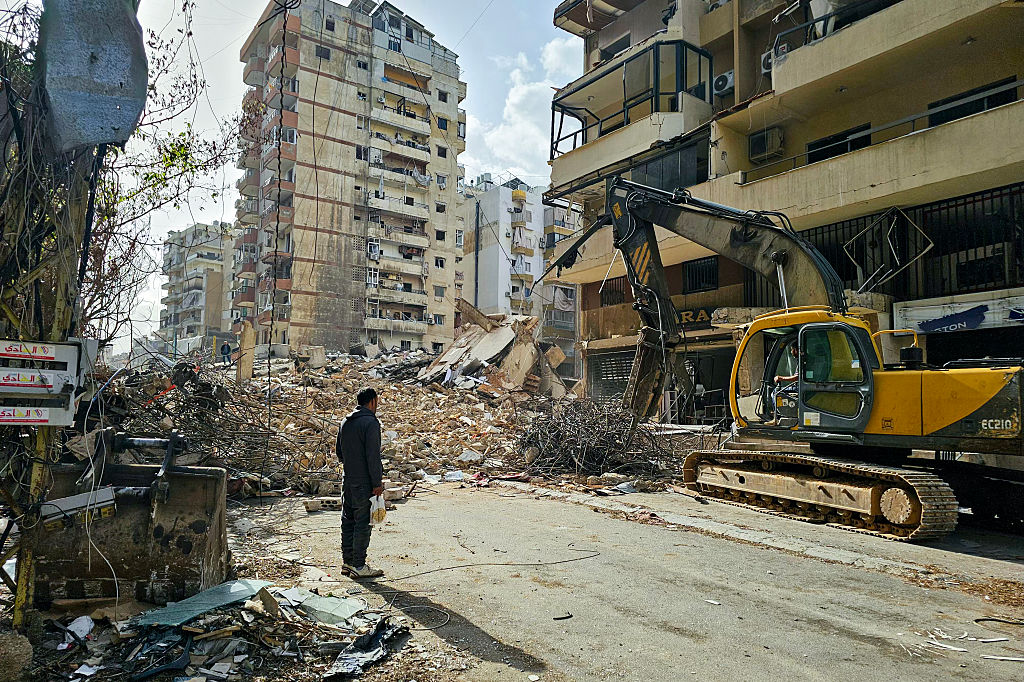
In response to the three year anniversary of the October 7th 2023 massacre, pro-Palestinian activists in the West have highlighted the Nakba, or “catastrophe” that attended the creation of the state of Israel. But a better case could be made that the real Nakba was October 7th itself.
This argument is made by Palestinian activist Ahmed Fouad Alkhatib in an article in the Free Press entitled “The Most Disastrous Day in Palestinian History.” Alkhatib argues that the effects of the Hamas attack have been utterly devastating not only to Gaza but to the Palestinian cause.
The traditional Nakba has been heavily debated and mythologized. There are questions as to how many Palestinians voluntarily fled Israel, how many were forced out, and how many were ordered out by the Arab Higher Committee and Arab armies. And regardless of how these people became refugees, their treatment afterwards did not reflect fraternal affection. Palestinians were kept in camps, not allowed to assimilate into the societies they fled to, and in many cases remain second class citizens. The fact that Egypt has kept the Gaza border closed to those who want to leave is highly symbolic.
In the decades afterwards Palestinian leaders refused pathways for peace time and again. The most salient example is Israel’s disengagement from Gaza in 2005 under the banner or “land for peace.” This unilateral Israeli move sought to demonstrate good will and give Palestinians an opportunity to prove that they were ready and able peacefully to manage their own affairs. They could provide for their people, build infrastructure, and do all the things that normal governments do.
However, Hamas took advantage of this by displacing the Palestinian Authority government and turning Gaza into a launching pad for terrorism. Rockets and mortars periodically rained down on Israel. The billions of dollars that might have gone into investment, development, education and healthcare, instead were sunk under the sands in terror tunnels.
When the violence got out of hand Israel would make forays into Gaza to, as they said, “mow the grass.” The thinking was that eventually Hamas would settle down into the kind of corrupt custodianship that had turned the murderous PLO into the hapless Palestinian Authority. The lure of graft and easy living from generous foreign donations would replace terrorism as their principal occupation.
Unfortunately for Israel, the Hamas leadership was true to its mission. When October 7th came, Operation Al Aqsa Flood as Hamas called it, their aim was to spark a massive popular uprising amongst the Palestinian people, aided by attacks from Hezbollah and perhaps other enemies of the Jewish state. But because Hamas had not shared the timeline for their offensive, no outside force was ready to support the effort even if they wanted to. And the Palestinian people showed no particular inclination for a spontaneous uprising. The war that followed has destroyed much of the Gaza infrastructure and (so far) two-thirds of the Hamas fighters who crossed the border that day.
The most viable current peace framework is the 20-point plan proposed by President Trump and incorporated in United Nations Security Council Resolution 2803. If implemented it would achieve everything the original Land for Peace concept envisioned, with a peaceful, prosperous and modernized Gaza existing side by side Israel. But Hamas refuses to disarm, the technocratic Palestinian government cannot safely begin its work, and the International Stabilization Force necessary for peacekeeping has yet to be assembled. The foreign policy elite expressed their skepticism by awarding this year’s Nobel Peace Prize to a judge who stokes the fires of Palestinian resentment and violence rather than a president who is doing the authentic, hard work of peacemaking.
Israelis are fully engaged in finding solutions. In Israel there is a healthy discussion over plans, policies and the conduct of the war. Every point of view is represented, from those who want immediate peace and rapid withdrawal of the IDF to those who want Israel to take over Gaza completely. The upcoming Knesset election has made these debates even more pointed.
On the other side, the same old thing. PA President Mahmoud Abbas, in the twenty-first year of what was supposed to be a four-year term of office, has pushed back the planned Palestinian Legislative Council and presidential elections another year. There is no evident concern from western pro-Palestinian radicals whose thinking doesn’t extend much beyond chanting “from the river to the sea.” Thoughtful Palestinian voices like Ahmed Alkhatib are few and rarely heard. In the PA, and among pro-Palestinian activists in the west, there is no vigorous debate, no hint of introspection, nothing to suggest that those who want peace have learned anything from this brutal experience.
This is the real catastrophe for the Palestinians. On October 7th, Hamas tried it their way and failed. They showed that the radicals will never be reconciled to the existence of the state of Israel and must be eliminated. The corrupt Palestinian Authority shows that democratic self-government, the bedrock of sovereignty, is still a long time coming. And the lack of a healthy debate inside the Palestinian community over constructive ways forward tells us that there is no reason for the United States or the international community to take their movement seriously. This is a Nakba the Palestinians can only blame on themselves.