Why Scott Pelley Doesn’t Matter
Like many things the elites care deeply about, the Scott Pelley incident will have little real-world impact.
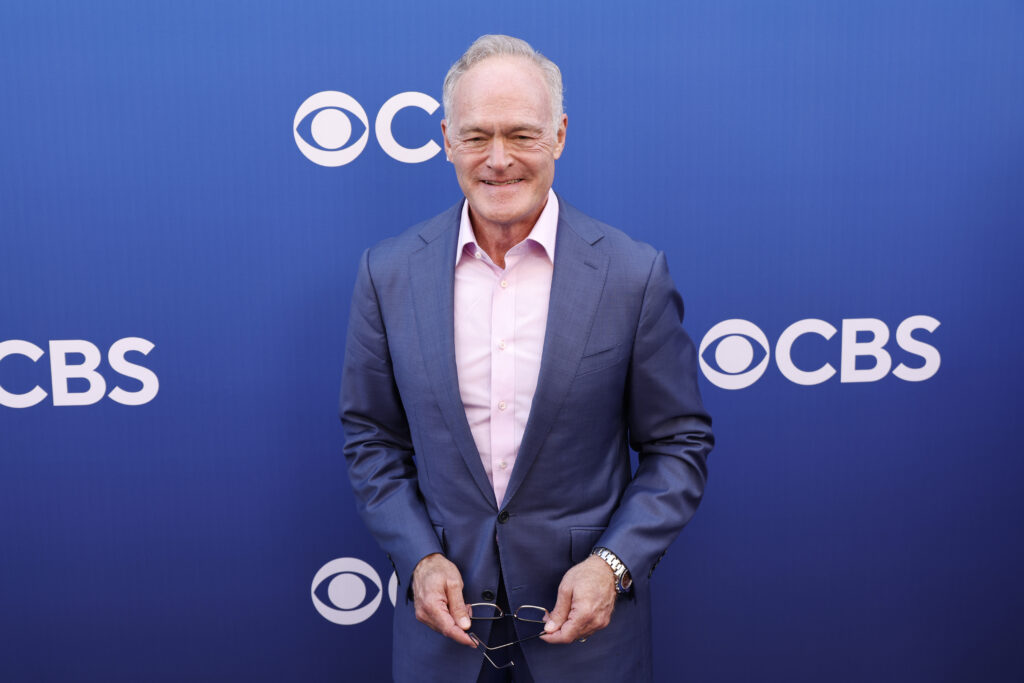
Within the elite media bubble, the firing of “60 Minutes” host Scott Pelley was treated as a massive event, raising foundational questions about freedom of the press, censorship, and the role of journalism in a democracy. One pundit said the incident “will reverberate in American journalism history,” while another compared it to an “underwater earthquake.”
But like many things the elites care deeply about, the Scott Pelley incident will have little real-world impact.
That’s because most Americans don’t really know who Scott Pelley is or why they should care about him. A survey my firm conducted recently for the Napolitan News Service found that only 14% of voters have a Very Favorable opinion of the 60 Minutes star, while 12% offered a Very Unfavorable assessment.
The fringe minority with strong opinions about Pelley are the voices you hear on TV and social media. For them, the Scott Pelley firing is an epic fight between good and evil. One side sees him as a national treasure, while the other sees him as a partisan activist. One team sees 60 Minutes as the gold standard of journalism, while the other sees it as a leading example of political bias.
The vast majority of Americans, however, are focused on other things and happily tune out the political warriors. Our survey found that half the nation’s voters don’t know who Pelley is, and another quarter have only soft opinions about him. Whether he hosts 60 Minutes or is replaced by someone new won’t make any difference to them.
This debate is the result of what I describe as a “10-10-80” nation. Ten percent on the political left are engaged in a bitter war with ten percent on the political right. The other 80 percent try to keep their heads down and avoid getting caught in the crossfire.
The ten percenters mistakenly believe that things like the firing of Scott Pelley will determine the fate of the nation. The 80 percenters have a firmer grasp on reality and recognize that positive change in America almost always begins far from the political halls of power.
One reason partisan activists overestimate the impact of 60 Minutes and Scott Pelley is that they are living in the past. They are arguing about 60 Minutes as it was in 1978. Back then, it topped TV ratings with up to 40 million viewers in a nation with about 78 million television households. The stories it covered set the tone for both what would be considered news in the coming week and how that news would be covered.
We don’t live in that world anymore.
Hardly anybody recognized it at the time, but the media environment that made 60 Minutes dominant was already coming to an end. Less than a year after 60 Minutes first led the TV ratings, ESPN went on the air, followed by CNN, MTV, and other cable networks. Companies like CBS scoffed at the notion that these upstarts could hurt them, but once viewers had options, the mass audiences of network television began to crumble. By the mid-90s, the audience for 60 Minutes had fallen to 20 million, half of its peak.
Then came the internet, followed by smartphones, social media, and streaming services. Since 1978, America’s adult population has nearly doubled, but the 60 Minutes audience has fallen by more than 75%. It now attracts about 9 million people in a nation of 129 million television households.
As I explain in my book Out of Touch: The Elite One Percent and the Battle for America’s Soul, these media changes were part of a Great Turnaround in American society. Up until the 1970s, just about everything in America kept growing bigger and more centralized. Since then, every aspect of society has reversed course, becoming more fragmented and decentralized.
Ironically, though, the arguments we’re hearing today are the same as they were in the 1970s. Democrats and people on the political left argued that television news coverage was neutral, while Republicans and people on the political right dismissed it as biased.
The arguments are the same, but the world is not. It is no longer possible for any TV show or host to control the political narrative the way 60 Minutes did in the 1970s. In the old era, the firing of Scott Pelley would have mattered. In today’s world, it doesn’t.