Who Needs Iranian Oil Anyway?
There is no compelling reason for Washington to let up the pressure.
The energy markets are slowly waking up to the fact that removing Iranian oil from the global marketplace is no big deal.
One of the unexpected outcomes of the US midterm elections was a rapid drop in oil prices. Brent Crude, which has been around $115 in the leadup to the election, dropped down to around $90. What this illustrated was that the price of oil is not determined by supply and demand, but rather by perceptions and politics.
The $25 drop wasn’t because there was suddenly more oil available, but the market pricing in the expectation that a Democratic victory means an end to the conflict with Iran and more regional stability. This also tells us that prices can drop sharply even without Iranian oil reaching the market.
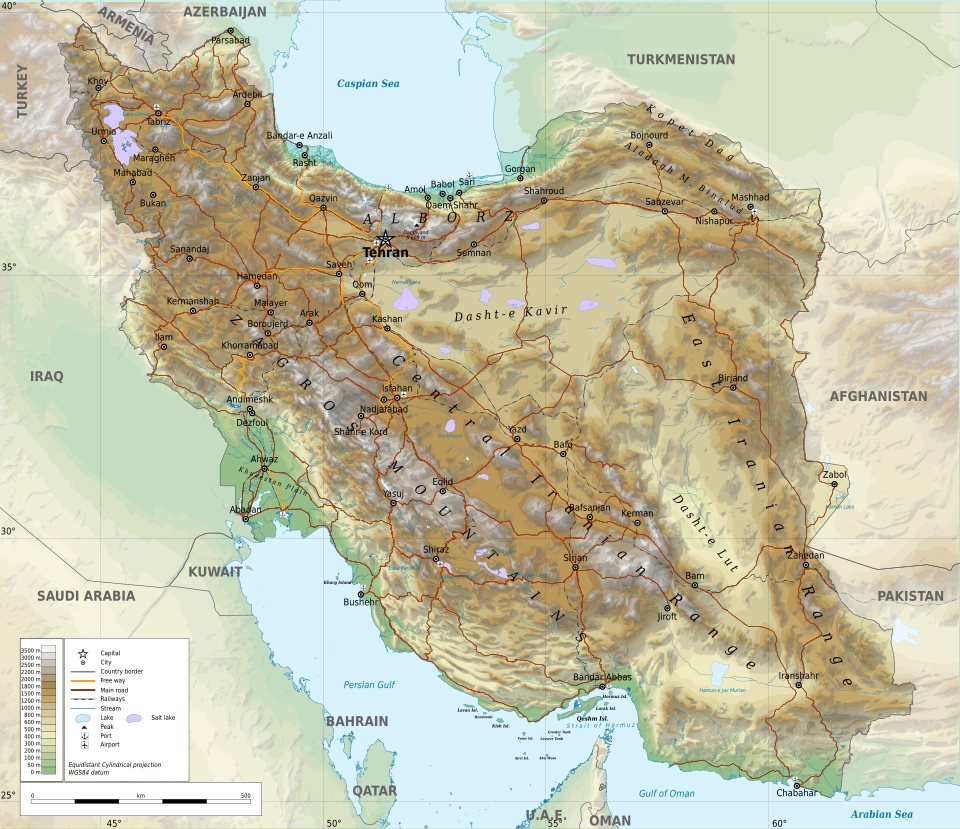
The Hormuz closure last spring created a market shock as traders priced in the uncertainties. Price per barrel never reached the $250 level that Iran had threatened, but even rates over $100 noticeably raised gasoline and other energy costs in the US and Europe, validating Iran’s belief that this was their primary strategic pressure point.
However, while Iran boasts that they control the Strait of Hormuz, real control is now held by the blockading US Navy. Iran can harasses international shipping with mines and drones, but the Navy provides ship escorts and ultimately determines who may come and go. So while Iran can at their worst hamper international ship passage, the US completely blocks Iranian tankers.
This creates a dire situation for Iran’s energy-dependent economy. While Americans suffer temporary inconveniences at the pumps, Iranians are facing economic disaster with inflation approaching triple digits and a government unable to meet its payroll.
Iranian negotiators are demanding an end to the economic warfare, but as energy markets continue to adjust to conflict conditions there is no compelling reason for Washington to let up the pressure.
Before the war, Iran exported on average around 1.7 million barrels of crude oil per day. This represented 1.6% of daily global oil demand of about 104 million barrels. Now Iran’s exports are effectively zero.
At the same time the overall energy situation is improving. As early as September oil shipments through the Strait of Hormuz reached prewar levels even without Iranian oil. Alternative routes such as the Saudi Red Sea pipeline and transfers to the Gulf of Oman have also helped markets adapt. Total energy output from the Mideast region by all routes is tracking above what it had been before the conflict started, and global oil supply is at 96% of prewar levels. By any rational reckoning oil prices should be much lower.
So if the oil is flowing even without Iran, why let Iran back in the market? Why not just maintain the pressure until the regime collapses?
This approach tracks with the Trump Administration’s efforts to put energy at the forefront of U.S. national strategy. The White House recognizes that energy can be a decisive instrument of national power. Iran may fancy itself an energy giant, but do the math — the United States has ten times Iran’s production capacity. Unleashing US energy production and reconstituting Venezuela’s petroleum sector are critical parts of Trump’s strategy to align energy to benefit US national security. Simply raising Venezuela’s output to what it was in 2000 before socialism wrecked its oil sector would offset 100% of Iran’s oil.
Iran’s customers, principally China, can be encouraged to seek oil elsewhere. Saudi Arabia already sold more to China than Iran did, and new Western Hemisphere production can more than take up the slack. Beijing could be an important market for the United States, helping redress the trade balance.
What this means is that there is no reason to lift the oil blockade of Iran – ever. The world does not need their oil. The blockade, the sanctions, Operation Economic Outcast and other measures can be continued and intensified as Iran’s economy crumbles, with or without a nuclear deal. This comprehensive economic shutdown may create the conditions for a revolution to overthrow the totalitarian theocracy and establish both a stable democracy and US strategic partner in Tehran. Then and only then should the economic pressure campaign be lifted.
The Mullahs and the IRGC believed that playing the energy card would force the United States to reckon with them. But all they have proven is that nobody needs the Islamic regime’s oil, and perhaps soon the Iranian people may understand they don’t need the regime at all.