The Geopolitical Threat to Oncology Innovation: Why Cancer Cures Depend on U.S. Research Security
To safeguard future oncology breakthroughs, Washington must align its public health goals with its national security strategy.
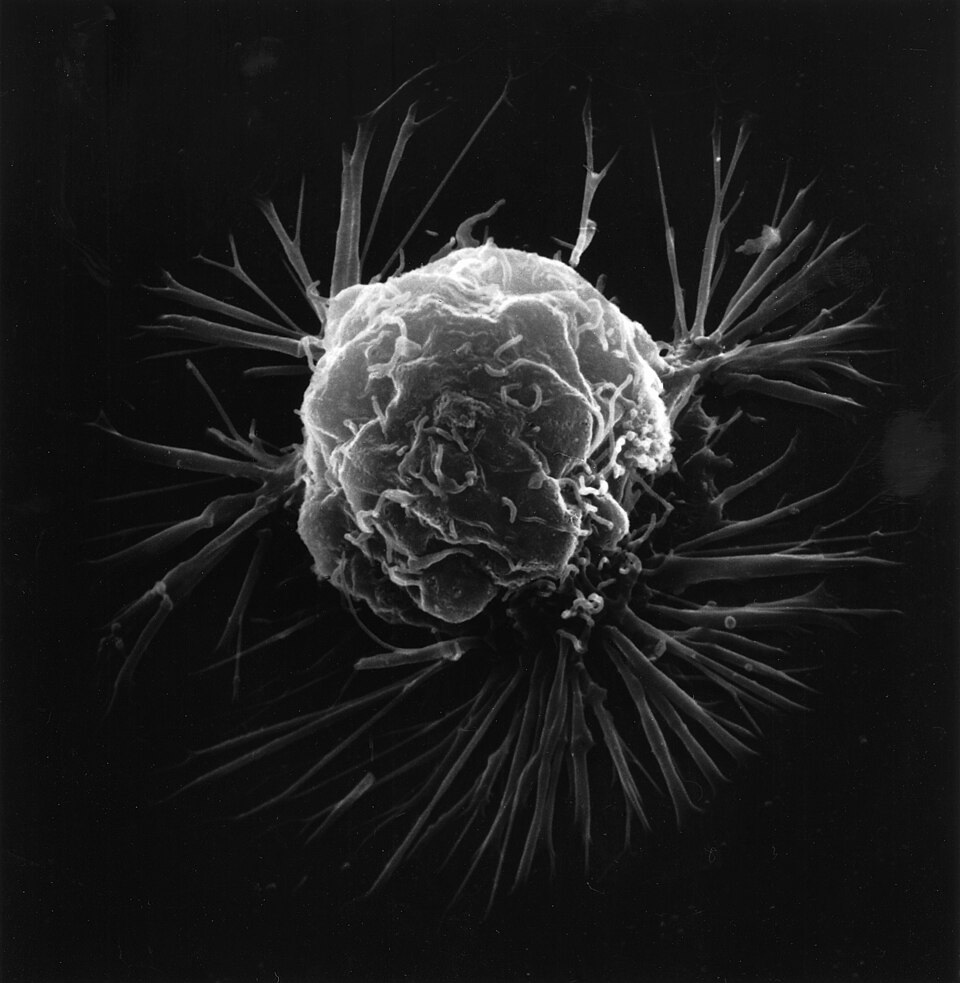
This October, the ubiquitous display of pink ribbons reminds us of our nation’s united commitment to eradicating breast cancer. Yet while public attention focuses on awareness and fundraising, a critical vulnerability is growing within the U.S. biomedical pipeline—one that directly threatens the future of oncology innovation and national security.
The American biomedical research infrastructure has long set the global standard for drug discovery and regulatory excellence. Today’s advanced therapies that extend cancer patients’ lives exist because of a rigorous, highly secure domestic pipeline. However, this core engine of innovation is under pressure like never before. Foreign governments and companies are pursuing ever-more aggressive technology-acquisition strategies at the same time a domestic regulatory push to threatens to overhaul established research methodologies before viable alternatives are fully validated.
Biomedical leadership is no longer exclusively a matter of public health; it is a critical theater of geopolitical competition. Years of offshoring clinical research and active pharmaceutical ingredient (API) supply chains has created severe vulnerabilities. Entrusting foundational oncology research to foreign adversaries—specifically nations that do not share Western standards of transparency or intellectual property protection—exposes the U.S. healthcare system to compromised data integrity, intellectual property theft, and sudden supply chain interruptions. In oncology, an interrupted supply chain or a compromised clinical trial is far more than a financial loss—it costs lives.
Compounding this external threat is an internal regulatory rush to modernize laboratory standards. Developing “new approach methodologies” offers a promising path to long-term scientific efficiency, but prematurely phasing out traditional, legally mandated testing protocols before these new systems are fully validated is a high-risk gamble. Regulatory frameworks should and must evolve, but rushing the science to meet arbitrary modernization timelines compromises the clinical certainty required to bring safe, effective cancer therapies to market.
To safeguard future oncology breakthroughs, Washington must align its public health goals with its national security strategy. Congress must act decisively to incentivize the repatriation of critical clinical infrastructure and to robustly enforce legislative structures like the Securing Innovation and Research from Adversaries Act. Protecting American biomedical research from foreign interference and maintaining uncompromised regulatory standards are essential to ensuring the next generation of life-saving therapeutics remains secure, reliable, and American-made.
The vital obligation is clear: the U.S. cannot secure a cure for cancer if it abdicates control over the science required to find it. Legislators must treat biomedical independence with the same urgency as energy or defense security, ensuring that America’s premier symbol of gold-standard research is backed by uncompromised, unrushed domestic innovation.