The Creed Survives. Neither Party Owns It.
Americans still affirm the Founding by better than three to one. Asked who actually keeps faith with it, neither party can muster a majority.
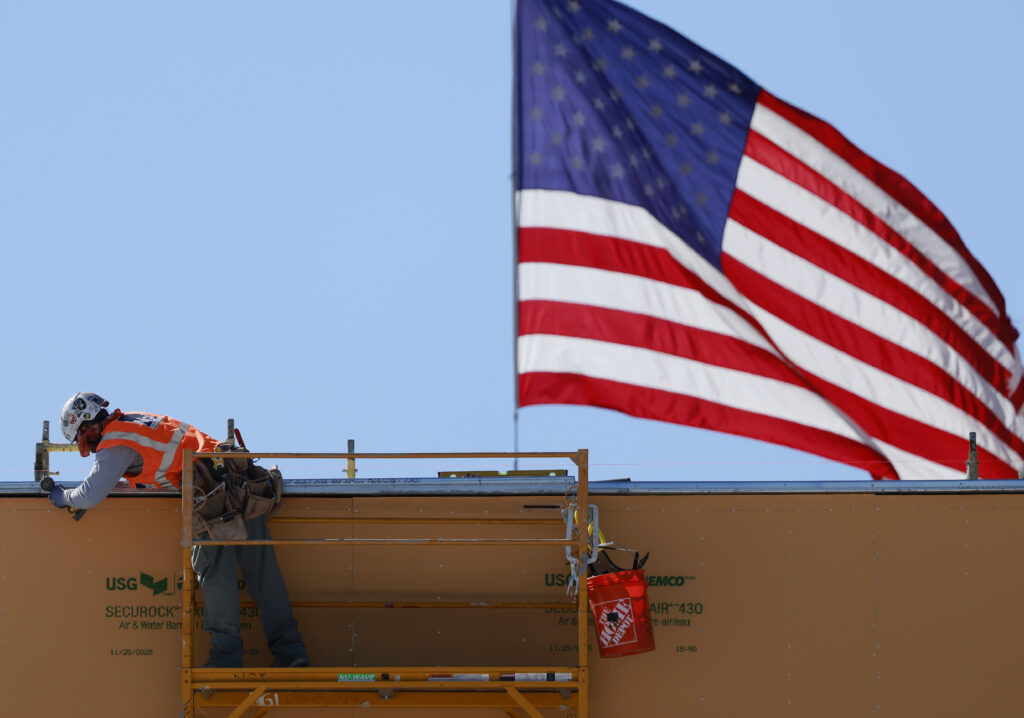
Americans have not lost faith in the words. Asked whether it is fair to say the United States was founded on the ideals of freedom, equality, and self-governance, 77% of voters say yes, against just 16% who say no. The founding creed, on the evidence of the latest Napolitan News Service survey, remains the closest thing this country has to a shared inheritance.
What has frayed is trust in the parties that claim to defend it. Neither commands a majority. Forty-nine percent of voters say the Republican Party favors America’s founding ideals, and 47% say the same of Democrats. The two are statistically indistinguishable, and both sit below the line that would let either claim the creed as its own.
The numbers turn on whom voters are asked about. Eighty-eight percent of Republicans vouch for the GOP, and 83% of Democrats vouch for their own party. The activist wings inspire no such confidence. Only 36% of voters believe MAGA Republicans favor the founding ideals, and an identical 36% say so of Progressives. The base defends the team. The vanguard, on both sides, is treated as something closer to a liability.
Donald Trump fares worse still. Just 39% of voters now say the president believes in freedom, equality, and self-governance, a new low and a drop of nine points since February, when he took office. Even among Republicans the verdict is not unanimous: 73% are convinced, which leaves better than one in four uncertain or unpersuaded. For a movement that styles itself the custodian of the Founding, that figure deserves a long look.
Beneath the partisan scorekeeping runs an older argument, and it is the one that should interest conservatives most. Asked which ideal matters most, 58% of voters choose freedom, while only 8% name self-governance. Press the point and the divide sharpens. Sixty-two percent say freedom is more important than equality, including 82% of Republicans. Democrats split almost evenly, their progressive wing tilting toward equality and their traditional voters toward freedom.
This is the fault line the survey exposes, and it predates the present quarrels by two centuries. Half of voters, 51%, acknowledge an outright conflict between freedom and equality. A country can agree on the founding words while disagreeing, profoundly, about which of them governs when the two collide. That disagreement, not the day’s partisan theater, is the real substance of the cold argument now running through American life.
Scott Rasmussen’s data should unsettle the comfortable assumptions of both camps. The Left cannot claim a public that has abandoned the Founding, since better than three in four affirm it. The Right cannot claim a public that has handed it the creed, since fewer than half are convinced the GOP, or its president, keeps faith with it. The ideals endure. The trusteeship is open. Whoever means to claim it will have to do so the hard way, by deserving it.