Democrats’ New Coalition Makes Demands
The conservative task is to understand where the political challenge lies.
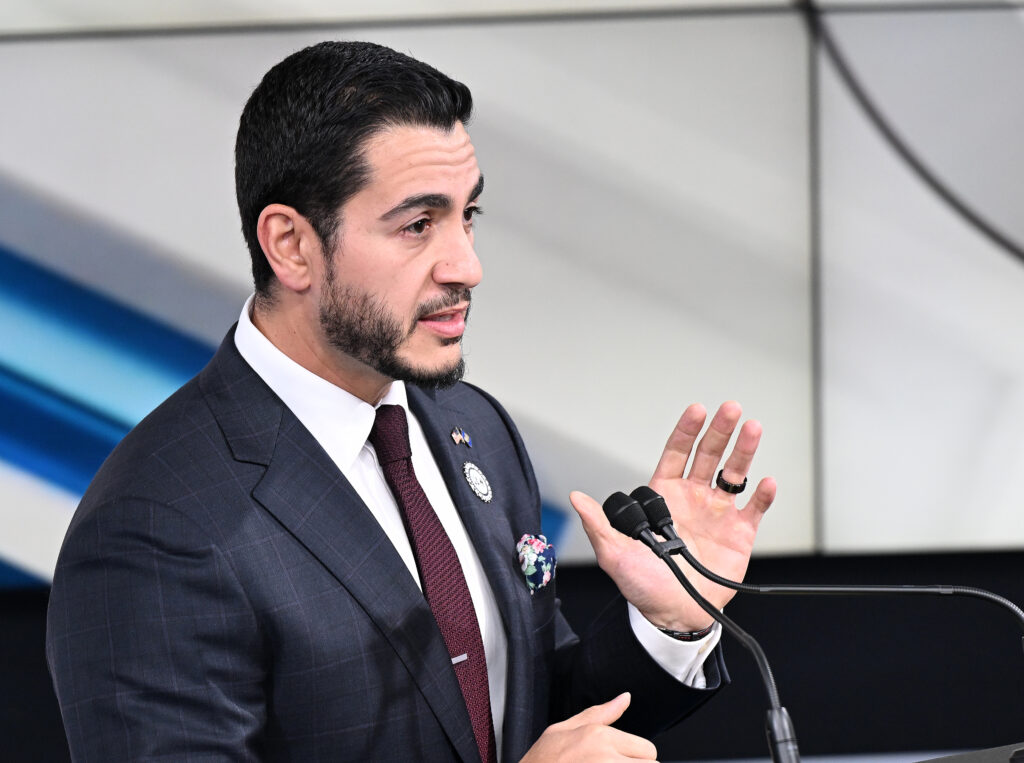
Democrats like their historic firsts photographed at the podium. The difficulty begins when the person at the podium has an agenda. A politician elected to challenge the party’s assumptions about American power or the economy may prove less interested in completing its family portrait than in rearranging the household. This year’s gains by Muslim candidates make that possibility worth taking seriously.
CAIR and CAIR Action’s preliminary tally counted 97 Muslim candidates elected or reelected across 21 states, up from 82 in the 2022 midterms. Those totals include incumbents, and they cover offices ranging from local government to Congress. They nonetheless describe a growing political presence with opportunities to recruit successors, establish records and influence what the Democratic Party considers negotiable.
Michigan provided the most important victory. Abdul El-Sayed won its open Senate seat after campaigning on affordability, curbing corporate influence and Medicare for All. His election makes him the first Muslim senator and gives the progressive wing of the Democratic Party another foothold in an institution it has often found frustrating. The religious milestone will receive its commemorative treatment. Conservatives should be more interested in the governing ambitions that came with it.
There is an old conservative mistake that deserves retirement: assuming that a constituency with religious commitments will eventually discover that it belongs in the Republican Party. Political allegiance requires choices among competing concerns. A voter can hold traditional views about family life while preferring government-run health insurance, opposing a war or distrusting the people asking for his vote. Republicans cannot place a few shared convictions on the table and assume the rest of the transaction will arrange itself.
The available survey evidence suggests how badly that assumption would serve them here. A CAIR-commissioned survey of 522 Muslim respondents found that 80 percent of those who voted primarily supported Democrats, against 6 percent for Republicans. It reported a margin of error of 6.6 percentage points. Those figures are an advocacy-sponsored snapshot, rather than a definitive measure of the electorate or the precise shift since 2024. They still give Republicans little reason for complacency.
The more interesting question is what this support will purchase. A political coalition becomes consequential when its voters can impose costs for ignoring them. Elected officials, primary challengers and local organizers provide the means. Democrats may find that celebrating Muslim representation is easier than managing disagreements over the policies those representatives were elected to pursue.
Foreign policy is an obvious point of pressure. In the same survey, 80 percent said Gaza had a major influence on their vote, while 76 percent said the Iran war did. The economy also registered at 80 percent. These findings suggest a constituency connecting American conduct abroad with its judgments about government at home. They do not establish a single Muslim worldview, but they do make it difficult to dismiss foreign-policy disagreements as a passing concern of campus activists.
A conservative response ought to begin with an independent account of the national interest. American commitments abroad should justify their costs, their risks and their relationship to the security of American citizens. Opposition to a particular war deserves an argument on those terms. So does support for an ally. Republicans surrender their own intellectual ground when they substitute suspicions about a critic’s identity for an explanation of why a policy serves the country.
The domestic argument should be sharper still. Affordability is a powerful campaign promise because the problem is real. It does not follow that concentrating more decisions in Washington will make life affordable. Medicare for All carries questions about taxation, access and the displacement of existing coverage that a moving campaign biography cannot answer. Conservatives should insist on those answers while offering practical ways to bring down costs. A party that cannot explain how people will obtain a home or pay for medical care should expect voters to entertain expensive alternatives.
None of this requires granting progressive candidates immunity from scrutiny. The opposite follows. Public office brings obligations that outweigh the publicity surrounding a breakthrough. Religious liberty must extend to people whose beliefs an official dislikes. Equal protection must apply across communal loyalties. Every candidate should face questions about whether the organizations and movements they support uphold those principles. A historic first has exactly the same duty to answer as a fifth-term incumbent.
Democrats also have reason to temper their celebrations. Only 53 percent of respondents in the CAIR survey considered their party more responsive to Muslim Americans’ concerns; a third said neither party was. Strong electoral support can coexist with considerable distrust. Party leaders who interpret these votes as permission to resume business as usual may discover that their new coalition expects a say in what business gets done.
The conservative task is to understand where the political challenge lies. Muslim Americans winning office is an ordinary exercise of citizenship. Progressive politicians acquiring the authority to expand government and redirect American policy is a development conservatives have every reason to contest. They will do so more effectively by knowing their opponents’ proposals than by counting their opponents’ prayers. The next argument begins where the victory photograph ends.