Is It 1917 DÉJÀ VU?
We ignore the parallels to 1917 at our peril. Another Russian Revolution may be coming -- and America must be ready.
The chief economist at VEB, the Kremlin’s own development bank, has just been fired. He said out loud what everyone else is only whispering: Russia is heading for a “crisis”, driven by the endless Ukraine war and Putin’s misrule.
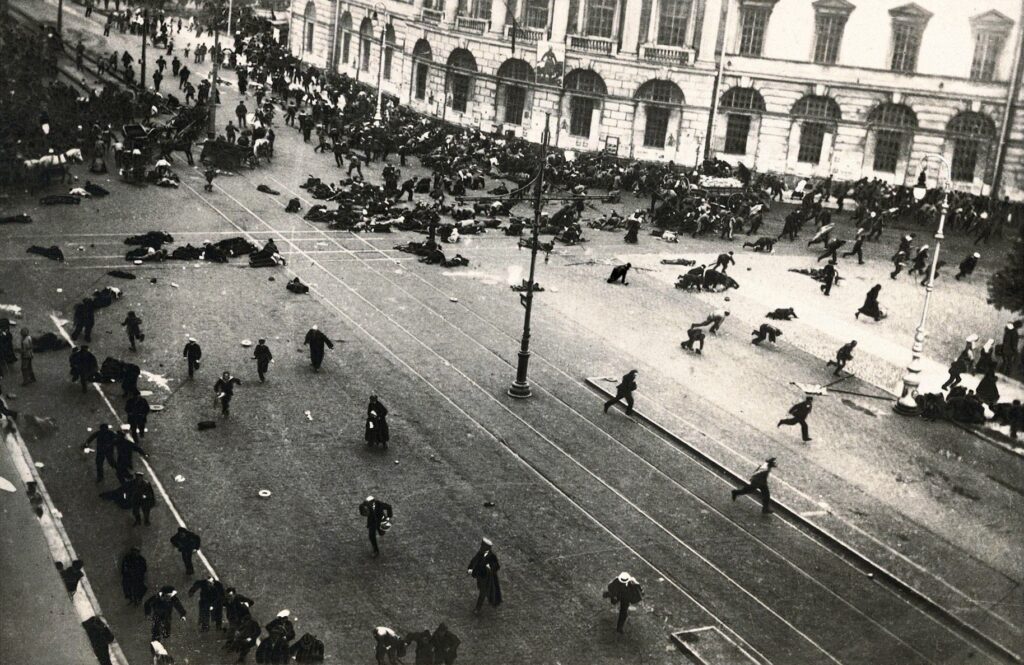
The parallels to 1917, when the tsar was toppled, are impossible to ignore.
Russia’s economy is failing, and the strain is unprecedented since what Moscow calls the Great Patriotic War. Russia isn’t just falling behind the West and China — it is losing a war of attrition it cannot win.
What is Putin’s Russia today? Battered by sanctions — with more coming, courtesy of the late Senator Graham — and dragged down by an economy collapsing under the weight of a war Putin promised would take three days and has instead devoured five. The consequences are brutal. Putin is in considerable trouble.
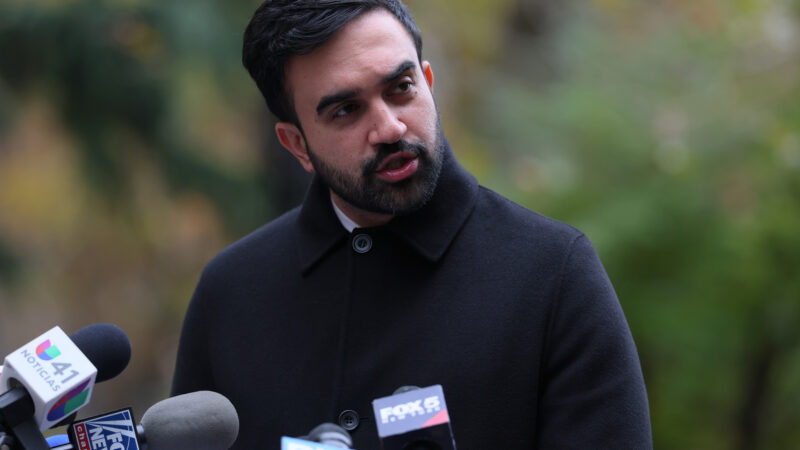
“We will not win this competition in a war of attrition,” said one of Russia’s own leading economists — a man who worked for the Kremlin and chose to tell the truth anyway. “We have this illusion that everything [in Ukraine] will collapse. It has not collapsed and it will not. Our costs are growing. I believe Russia could fall apart.”
The numbers back him up. Growth is flatlining. Production is stalling. Inflation is climbing. The rouble is nearly worthless. The IMF keeps slashing its forecasts, and the only thing still growing is defense spending. Crushing credit costs, an artificially propped-up currency, labor shortages, tax hikes, and collapsing oil and gas revenue have made a rebound not just unlikely but impossible.
Will Putin double down and try to finish his ugly war on his own terms? Can he survive the political forces now openly questioning him? With an estimated two million casualties and half a million dead, could this be what finally brings him down — especially if Ukraine keeps striking back, hitting Russian refineries, towns and cities with drones, long-range missiles, and cyberattacks?
Even the regime’s own inner circle is cracking. Elvira Nabiullina, head of Russia’s central bank, the woman credited with cushioning the blow of Western sanctions — vanished from public view for a month. She reportedly told Putin she’d resign if he escalated further. Putin’s generals and cronies are also losing faith. Russia remains, as Churchill once said, “a riddle wrapped in a mystery inside an enigma” — but this time, its unraveling is impossible to miss.
Alexandra Prokopenko, a former advisor to Russia’s Central Bank, points to something equally alarming: ordinary Russians are pulling their money out of the banking system in droves. $3.4 billion in the first two weeks of August alone, $7.3 billion in July, $4.5 billion in June. That’s a liquidity crisis colliding with a banking sector already buckling under bad debt. People don’t trust the system anymore — they fear Putin will nationalize deposits or freeze withdrawals outright.
Now the U.S. Treasury is tightening the vice further, sanctioning more than four dozen Russian banks — including Gazprombank, the financial engine of the state gas giant, previously spared to let central and eastern European countries keep buying Russian gas. New secondary sanctions will choke off revenue from remaining customers across Asia, India included. Putin has nothing left that the world wants — only Kalashnikovs, oil, and gas.
John McCain called Russia “a gas station masquerading as a country.” Under these conditions, it may not even remain a country. We should help hasten that day — overtly, covertly, and by every means available.
The parallels to 1917 are not poetic license. Widespread discontent with Nicholas II’s authoritarian rule, economic devastation from a prolonged war, food shortages, and mass revolutionary unrest brought down the tsar and opened the door for Lenin.
Could it happen again?
Russia has 5,240 nuclear warheads this time. And its foreign minister has taken to wearing CCCP sweatshirts — in public. Such revanchism (French: revanchisme, from revanche, “revenge”) is the policy or political doctrine aimed at a revenge or the reversal of losses incurred in previous political or military defeats, most commonly, the incurred territorial losses. Putin cannot get over what transpired in 1991 under Gorbachev and is trying to put humpy dumpty back together again. He can’t as the empire around him folds or implodes and Ukraine remains defiant.
The moment may be ripe for a second Russian Revolution.