Maness Backs Hegseth’s War College Reforms
Maness also pointed to improvements in drone warfare and defenses against unmanned aircraft.
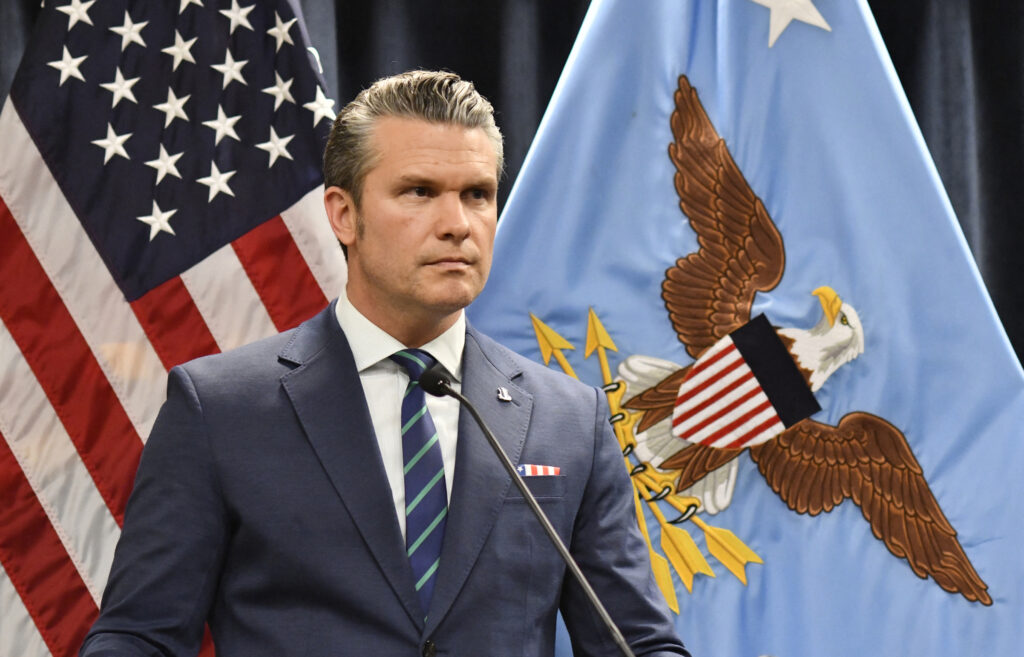
Retired Col. Rob Maness told John Solomon on “Just the News, No Noise” that Pete Hegseth’s overhaul of military education could leave a lasting mark on the armed forces. Maness was one of three retired colonels on the senior service college task force whose report Hegseth cited during his remarks at the Naval War College.
The recommendations call for removing DEI programs and refocusing military coursework on preparing officers for war. Maness argued that those changes could shape generations of leaders, making them among the administration’s most consequential military reforms.
Preparing Leaders to Win
Maness said military schools should be judged by whether they produce commanders capable of winning America’s wars. Academic achievement alone, he argued, is an inadequate measure of how well an officer is prepared to lead.
He said the armed forces had spent too much of the past two decades distracted by issues outside their central mission. In his assessment, that loss of focus contributed to gaps in readiness, including in drones and hypersonic missiles. Military education, he argued, needs to put fighting and winning wars at the center of its curriculum.
Putting the Changes Into Practice
Maness expects resistance from officials and academics invested in the existing system. He credited Hegseth with commissioning the review and directing his staff to carry out its recommendations despite that opposition.
The real test will be whether the changes take hold across military schools. Maness said he was confident Hegseth’s team would follow through and that the effects would outlast the administration.
Closing Gaps in Drone Defense
Maness also pointed to improvements in drone warfare and defenses against unmanned aircraft. Two years ago, he said, commanders had serious concerns about protecting bases both at home and overseas. Current efforts aim to improve offensive drone operations while strengthening base defenses, including through the domestic Fortress America program.
He credited Hegseth and his senior team with accelerating the delivery of equipment to commanders and troops. Maness estimated that readiness in these areas had doubled over two years, though he did not provide a specific measure behind that assessment. He said new capabilities were reaching the field and helping address weaknesses across the services.
Watch the full episode of “Just the News, No Noise” with John Solomon here.