Dershowitz Warns Jack Smith’s Surveillance Tactics Could Threaten Every American’s Civil Liberties
Dershowitz, who previously represented Trump, said he does not know whether his own calls were among those monitored.
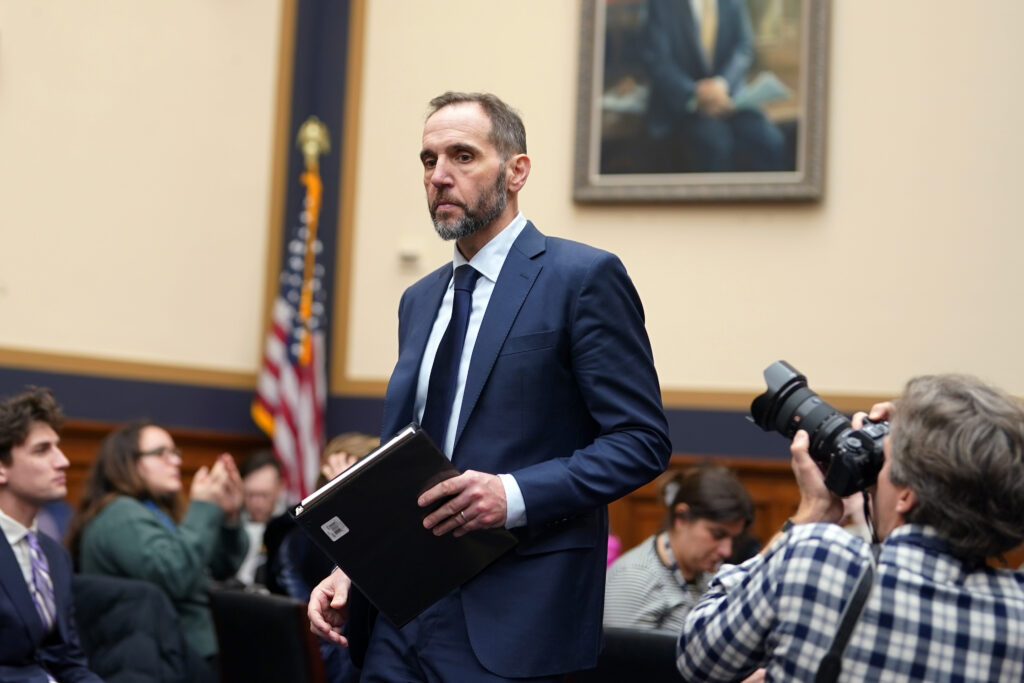
The controversy over Jack Smith’s investigation of President Donald Trump may have implications far beyond Washington. According to Harvard Law School professor emeritus Alan Dershowitz, reports that Smith’s team obtained phone records involving Trump’s attorneys, senior aides, and journalists expose a troubling reality about the American justice system: prosecutors may be able to map a person’s private relationships without ever obtaining a warrant.
Dershowitz said there are two ways to understand what happened. The first is that prosecutors employed unusually aggressive tactics because they were investigating Trump. The second, which Dershowitz considers more troubling and more likely, is that these methods are already common practice within the Justice Department. If so, the same surveillance techniques could be used against virtually anyone caught up in a federal investigation.
At issue is the use of pen registers, which allow investigators to collect information about phone calls without recording the conversations themselves. Such records can reveal who called whom, when the calls took place, and how long they lasted. Under current constitutional doctrine, Dershowitz explained, investigators generally do not need a warrant to obtain this information because they are not listening to the calls.
But Dershowitz argued that the absence of a warrant requirement should not give prosecutors free rein to collect personal information. Phone records can reveal intimate details about a person’s life, including communications with spouses, children, attorneys, and other individuals who have nothing to do with an investigation. He believes the Justice Department should adopt restrictions that go beyond what the Constitution strictly requires.
Dershowitz, who previously represented Trump, said he does not know whether his own calls were among those monitored. His larger concern is that, without clear departmental standards, individual prosecutors have broad discretion to collect records that could expose private relationships, identify potential witnesses, or damage the reputations of people who have committed no wrongdoing.
Monitoring Defense Attorneys Raises Sixth Amendment Concerns
Dershowitz also questioned whether monitoring communications involving Trump’s attorneys could interfere with the constitutional right to counsel. The Sixth Amendment guarantees defendants the assistance of an attorney, and Dershowitz argued that prosecutors should not be permitted to exploit surveillance tools to gain insight into how the defense is preparing its case.
Even without hearing the conversations, investigators who know which experts, witnesses, or advisers a defense team has contacted may gain a significant strategic advantage. They could anticipate legal arguments, prepare questions for potential witnesses, or investigate individuals before the defense has revealed its plans.
Dershowitz stressed that prosecutors have an obligation to be candid with the courts when seeking authorization for investigative measures. Although an application for a pen register must be truthful, he argued that prosecutors must also avoid misleading judges through selective disclosures or material omissions.
If judges were not told that records involving defense attorneys would be collected, Dershowitz said, that omission could raise serious legal and ethical questions. The issue, in his view, is whether the government was sufficiently forthcoming about the scope of its surveillance and the potential consequences for the attorney-client relationship.
Dershowitz Calls for Stronger Justice Department Oversight
Dershowitz said that even if prosecutors did not violate the Constitution, other avenues of accountability may still be available. Depending on the circumstances, attorneys involved in improper surveillance could face professional disciplinary proceedings or civil litigation.
He argued that professional ethics should impose meaningful restrictions on investigative conduct, particularly when prosecutors seek records involving defense attorneys, family members, or journalists. The fact that a practice is legally permissible, he said, does not necessarily make it appropriate.
Dershowitz called on the Justice Department to establish clearer rules governing when and how prosecutors may obtain communications records. He also urged Congress to hold hearings examining whether existing safeguards adequately protect Americans from unnecessarily intrusive investigations.
His concern is that too much depends on the judgment of individual prosecutors. Without enforceable standards and meaningful oversight, he warned, investigative tools intended for legitimate law enforcement purposes can become instruments for collecting sensitive information about people who are not suspected of crimes.
Judge Cannon’s Ruling Raises Further Questions About Smith’s Authority
Dershowitz also addressed Judge Aileen Cannon’s ruling that Smith had been unlawfully appointed as special counsel. He suggested that the decision could have implications for Smith’s ability to claim governmental immunity in litigation arising from his investigation.
Smith would likely argue that he acted in good faith, believing his appointment was lawful and that he possessed the authority to conduct the investigation. Dershowitz acknowledged that such arguments could be significant but maintained that the legal consequences of Cannon’s ruling warrant further examination.
The controversy also reflects Dershowitz’s longstanding opposition to the special counsel system. He recalled raising objections to the structure during the investigations surrounding President Bill Clinton, arguing that special prosecutors can exercise extraordinary investigative powers without sufficient supervision.
In Dershowitz’s view, the Smith investigation illustrates the dangers of granting prosecutors broad authority while relying primarily on their own discretion to determine how that authority should be exercised.
Legal Surveillance Can Still Threaten Civil Liberties
The distinction between what is constitutional and what is appropriate was central to Dershowitz’s criticism. He argued that Americans should not have to rely exclusively on constitutional protections to preserve their privacy, particularly as technology makes it easier for investigators to reconstruct personal and professional relationships.
Phone records may not reveal the words exchanged during a conversation, but they can still tell investigators a great deal about a person’s activities. Records involving attorneys, political advisers, journalists, or family members can expose private associations and draw innocent people into investigations simply because of whom they contacted.
For Dershowitz, the larger danger is that such practices could become routine. If prosecutors are permitted to collect extensive communications records with few internal restrictions, the consequences will not be limited to politically prominent defendants.
He urged the Justice Department and Congress to establish safeguards that recognize the difference between the government’s legal authority and its responsibility to protect civil liberties. A surveillance technique, he argued, can satisfy constitutional requirements while still posing a serious danger to individual privacy.
Watch the full episode of Just the News, No Noise with John Solomon here.