Senators Press Jack Smith Over Sweeping Records Collection in Trump Probes
Republicans disclosed that Smith's team obtained more than 5,000 political donation checks from Trump supporters.
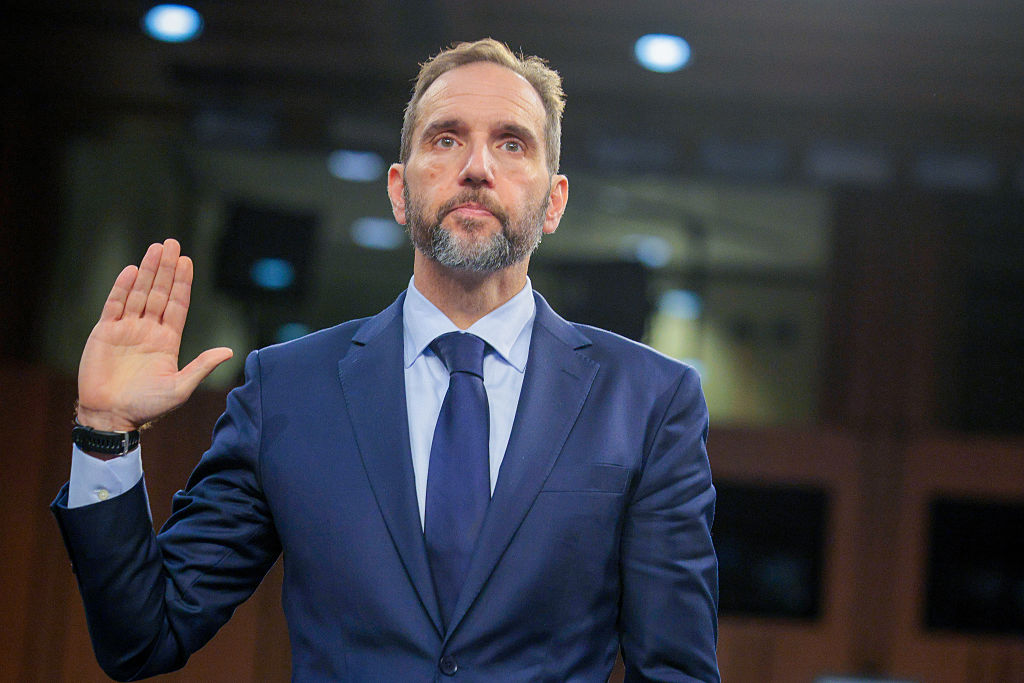
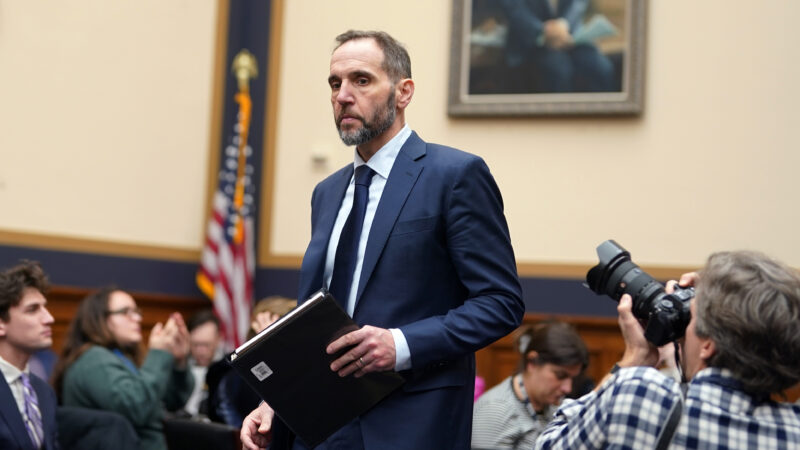
Former special counsel Jack Smith appeared before the Senate Judiciary Committee to defend his two investigations into President Donald Trump, including the federal election case and the classified-documents case stemming from records taken to Florida after Trump left office.
Smith told senators he stood by the charges he brought and would make the same decisions again. Much of the hearing, however, focused less on the charges themselves than on the scope of the records his team collected while pursuing the investigations.
Republican senators pressed Smith over records obtained from political donors, members of Congress and journalists. The hearing surfaced new details about the volume of information gathered, including financial records tied to Trump supporters and communications involving lawmakers and members of the press.
Questions Over Donor and Congressional Records
Republicans disclosed that Smith’s team obtained more than 5,000 political donation checks from Trump supporters. Those checks included names, addresses, bank account and routing numbers, and signatures.
The records also included communications involving journalists and government sources, as well as toll records and text messages connected to more than 40 members of Congress.
Host John Solomon characterized the effort as a broad collection of information involving constitutionally protected political activity. According to the material discussed during the hearing, most of the donors and lawmakers whose records were obtained were not themselves accused of crimes.
Former FBI agent Jonathan Gilliam told Solomon that collecting financial records from political donors who had not been accused of wrongdoing raised serious questions under ordinary investigative standards.
Gilliam argued that FBI investigations generally begin with evidence of a crime that has already occurred, rather than speculation about conduct that could occur in the future.
Dispute Over Congressional Text Messages
Another point of contention involved the contents of congressional text messages.
Smith had previously told the House Judiciary Committee that his team did not seek the content of lawmakers’ messages. Republicans later argued that records obtained by the special counsel did, in fact, include message content.
Sen. Marsha Blackburn, who reviewed related documents before the hearing, went further, arguing that Smith had not been lawfully appointed and suggesting that he could face legal exposure as a private citizen for actions taken while serving as special counsel. Her comments reflected her own legal assessment, not a formal finding.
The hearing also highlighted the distinction between basic communications records, such as toll data, and the actual content of messages.
Gilliam said that in ordinary FBI cases, investigators typically must establish evidence of wrongdoing and go through layers of review before obtaining sensitive records.
Former FBI Agent Challenges Investigative Methods
Gilliam argued that the subpoenas issued during Smith’s investigations were broader than what he would expect to see in a conventional FBI case.
He said standard investigations generally begin with a source, develop evidence of illegal activity, and proceed through approval by prosecutors and judges. In his view, the special counsel process described during the hearing appeared to rely too heavily on theories about what Trump or others might do rather than evidence of crimes that had already occurred.
Gilliam also criticized the collection of donor financial records and attorney communications from people who were not accused of wrongdoing. He said such steps would be difficult to justify under normal investigative standards.
More broadly, Gilliam argued that special counsel investigations can place enormous financial and legal pressure on their targets, creating incentives to cooperate regardless of whether the underlying evidence is strong.
Calls for Broader Review
Gilliam also suggested that investigators should examine whether the actions of officials across the Justice Department, FBI and special counsel offices reflected a broader coordinated pattern.
He said that, if evidence showed multiple people acting toward a common unlawful objective, investigators could potentially explore theories similar to those used in racketeering cases.
No such charges or findings were presented in the material discussed on the program. Gilliam’s comments were an argument for further investigation rather than a description of an existing criminal case.
He concluded that investigators should trace the people and decisions involved across multiple Trump-related investigations to determine whether a recurring pattern exists.
Watch the full episode of Just the News, No Noise with John Solomon here.