Kevin Sorbo on the Faith and Early Influences That Shaped Reagan
Sorbo criticized Hollywood and Washington for reinforcing attitudes that he believes are disconnected from much of the country.
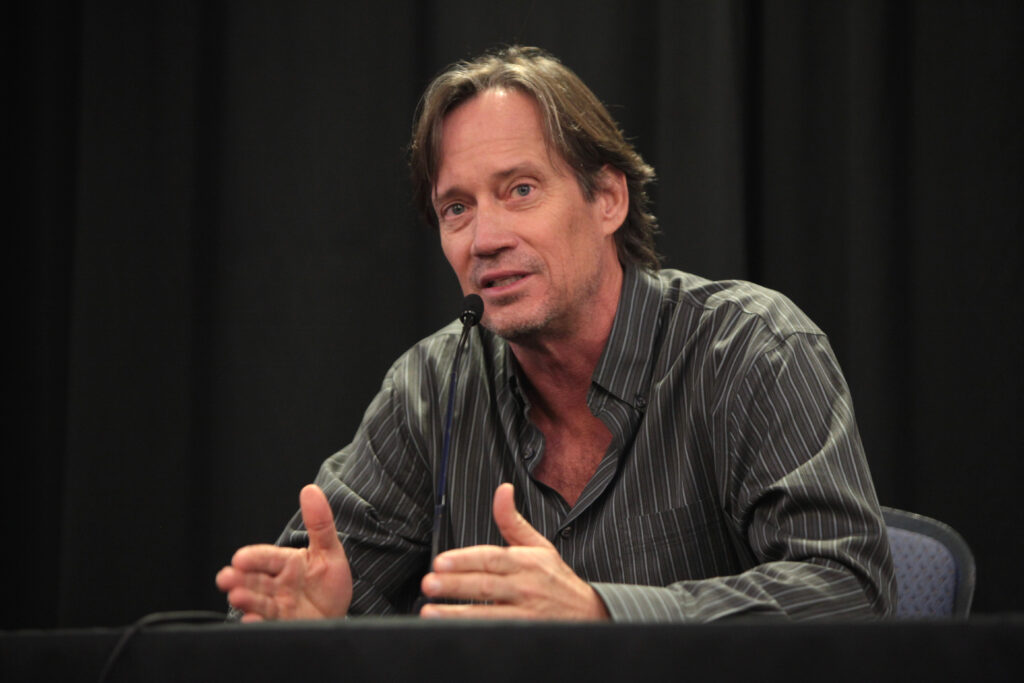
A new director’s cut of Reagan is restoring scenes from the future president’s early life that were left out of the original release, including more of the religious influences that helped shape his worldview. Actor Kevin Sorbo, who plays one of Reagan’s childhood pastors, said the expanded version gives audiences a fuller look at the people and ideas Reagan encountered long before he entered politics.
Speaking on Just the News, No Noise, Sorbo said much of that material had originally been cut simply because the movie was too long. He estimated that roughly 20 to 25 minutes focused on Reagan’s younger years, extending into his college days, and said he was glad to see some of those scenes restored. The interview opened with a baptism scene from the film.
Sorbo said producer Mark Joseph had told him about recordings of speeches given by the pastor he portrays. According to Sorbo, opposition to communism was a recurring theme in those speeches, and he believes the pastor helped introduce Reagan to the differences between communist ideology and American principles.
For Sorbo, those scenes help show how Reagan’s political outlook may have been shaped long before he entered public life.
An Audience Built Through Word of Mouth
The conversation also turned to how audiences responded to the film. One of the hosts pointed to its 98 percent audience score on Rotten Tomatoes and asked whether the response had surprised the filmmakers. Sorbo credited word of mouth. He said viewers who liked the movie told friends and encouraged others to see it.
He contrasted that with what he sees as a tendency among critics to dismiss faith-based films. Sorbo said he often disagrees with negative reviews of those projects and believes personal recommendations from viewers can matter more than professional criticism. In his view, Reagan found an audience because people connected with the story and wanted others to see it.
Education and a Younger Generation’s Outlook
Host John Solomon also asked what younger audiences might take from Reagan’s ability to overcome setbacks and challenges. Solomon contrasted Reagan’s story with what he described as a modern culture that too often encourages people to see themselves as victims.
Sorbo responded by focusing on education and the way young Americans are taught to think about their country.
He recalled going to schools where, in his experience, teachers concentrated on the subjects they were teaching rather than telling students how to vote or what to believe about religion. Sorbo argued that education has changed significantly over the past 15 to 20 years and has become more political and more critical of America. Sorbo criticized Hollywood and Washington for reinforcing attitudes that he believes are disconnected from much of the country.
At the same time, Sorbo said he sees signs of a shift among younger people, including his own three children, who are between 20 and 25 years old. He said the COVID era made many of them more skeptical of government and institutions.
In Sorbo’s view, the pandemic showed younger people how fear could be used to influence behavior and made them more willing to question authority.
The Kinds of Stories Sorbo Wants to Tell
Asked about the film’s focus on family, Sorbo connected the subject to broader concerns about declining church attendance, later marriage and falling birth rates.
He said he believes church attendance may be starting to rebound after years of decline, but he remains concerned about the weakening of family and religious life.
Those concerns also shape the kinds of films he wants to make. Sorbo said he prefers stories that contain elements of faith without being limited to one message or tone. He is drawn to stories about overcoming hardship, redemption, love, hope and humor.
He said he is especially interested in films based on real people, where those themes can emerge naturally through the course of a life. Sorbo also said he hopes that Hollywood is becoming more open to telling those kinds of stories.
In Reagan, the restored scenes allow him to spend more time on one of the relationships he believes helped shape the future president, connecting the influences of Reagan’s childhood with the ideas and convictions he later carried into public life.
Watch the full episode of Just the News, No Noise with John Solomon here.